
Stagecoach Performing Arts shows how personal connections, meaningful communication and celebrating every child’s progress can turn first-time enrolments into long-term family loyalty, offering valuable lessons for franchisees focused on sustainable growth.
Winning a new customer is one thing. Keeping them for 13 years is another.
For children’s activity franchises, long-term loyalty is rarely built on teaching alone. It grows through the relationships developed with parents, the milestones celebrated along the way and the reassurance that every child is recognised as an individual.
A thoughtful conversation before a child’s first class, a quick update after a breakthrough or a teacher who remembers a family’s latest news can make the difference between a one-term enrolment and a relationship that lasts for years. These small interactions build trust, encourage word-of-mouth recommendations and help turn a local franchise into a community fixture.
For prospective franchisees, the lesson is clear: sustainable growth is not just about attracting new families. It is about giving existing ones reasons to stay.
Lisa Stead, CEO of Stagecoach Performing Arts, explores how franchisees can build those relationships, drawing on the experiences of two Principals who have seen first-hand how personal attention can shape a family’s experience.
Make the First Hello Count
For parents, signing up a child for a new activity comes with excitement, but often a few questions, too. Will their child settle in? Will they make friends? What if they are shy or struggle to join in?
The first conversation is an opportunity to address those concerns before they become barriers to enrolment. Rather than treating registration as an administrative task, franchisees can use it to understand the child, identify their needs and help parents feel confident about the decision they have made.
Miriam Leary-White, Principal of Stagecoach Bishop’s Stortford, makes a point of calling every new parent before their child joins. “I always ask parents to tell me a little about their child, what makes them happy, what they might find tricky and whether there’s anything we can do to help them feel at home,” she said. “Every child is different and those little conversations help us make sure they feel welcome from the moment they walk through the door.”

It is a simple approach, but one that establishes trust early. Parents know their child will not be treated as just another name on the register, while the school has a better understanding of how to make the first session a positive experience.
Make Communication Personal
Once a family joins, maintaining that relationship requires more than a welcome email and a regular newsletter. Consistent communication matters, but its value often lies in how personal it feels.
A two-minute conversation at pick-up can reassure a parent, recognise a child’s progress or open the door to a concern that might otherwise go unspoken.
Felicity Corbould-Dawe, Principal of Stagecoach Orpington and Leatherhead, said some of her most valuable conversations happen at the end of a class. “It might be telling a parent that their child did something brilliant that day, checking in after a difficult week or remembering to ask how their school show or panto went.”
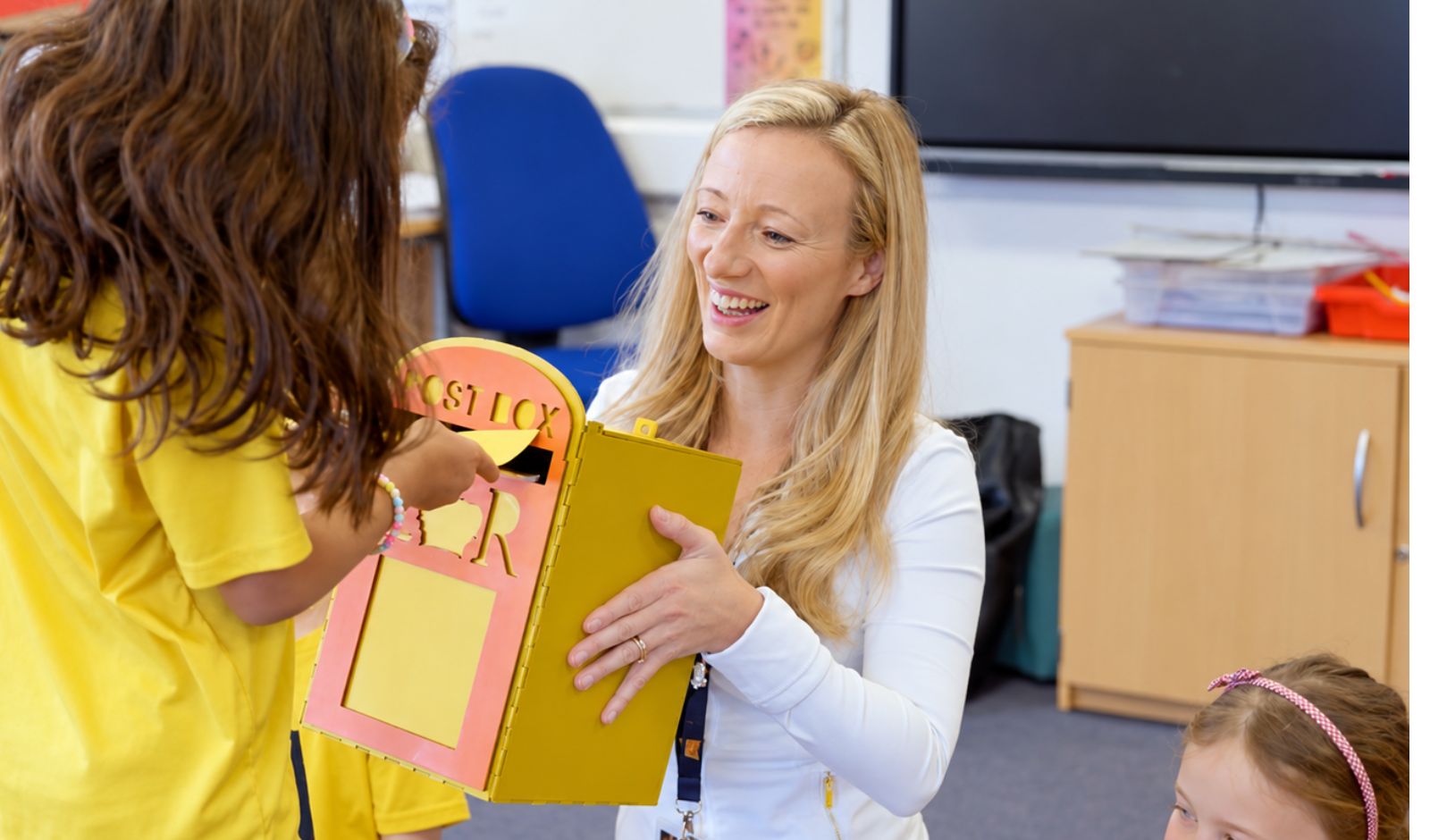
She also uses the Parent Portal and social media to share moments parents might not otherwise see, from rehearsals and friendships to the everyday fun behind the scenes.
Digital communication helps keep families informed, but it works best alongside genuine personal contact. Remembering a name, asking about an important event or sharing a small achievement shows parents that the relationship extends beyond the classroom.
For franchisees, this is also an important operational lesson. Communication should not depend entirely on parents raising questions or problems. Regular, meaningful contact helps build confidence before concerns arise.
Create Experiences That Bring Families Together
There is a difference between paying for a weekly activity and feeling part of a community. The latter gives families a stronger reason to remain involved, even as their children’s interests and schedules change.
At Stagecoach Bishop’s Stortford, Miriam runs ‘Parents Do Stagecoach’, an initiative that invites parents to join their children for a full session of singing, dancing and drama. “Without fail, parents come out smiling and saying what a wonderful time they had,” she said.
The school also marks each child’s Stagecoach anniversary with medals and awards, creating opportunities to recognise the time and progress invested in their performing arts journey.
Felicity’s families, meanwhile, have enjoyed performing at Disneyland Paris through Stagecoach’s ‘Dance the Dream’ offering.
Not every school needs an international performance opportunity to create a memorable experience. Family workshops, end-of-term celebrations, anniversary awards and annual traditions can all give parents and children something to anticipate together.
These experiences can also strengthen connections between families, helping a franchise develop a community that extends beyond its classes.
Celebrate Progress, Not Just Performance
In performing arts, the big moments are easy to recognise. A successful show, a confident solo or a place on a prestigious stage provides an obvious reason to celebrate. Yet for many children, the most significant achievements happen long before the curtain rises.
“Success looks completely different for every child,” said Felicity. “For one student, performing in London’s West End might be an enormous achievement, whereas for another, standing up and saying a line in front of the class for the first time might be just as significant.”
A child who was reluctant to speak during their first lesson might begin contributing to group activities. Another who always stood at the back might volunteer to go first. These moments may not attract an audience, but they can represent substantial progress for the child and their family.
Sharing these achievements with parents reinforces the value of the experience. It demonstrates that progress is being noticed, even when it does not translate into a trophy or a starring role.
For franchisees, the principle extends beyond performing arts: understanding what success means to each customer is central to delivering an experience that feels personal and worthwhile.
Turn Concerns into Opportunities to Build Trust
Strong customer relationships are not measured only by how a business celebrates the good times. They are also tested when something goes wrong or a parent feels their child needs additional support.
Listening carefully, responding promptly and following up can prevent a manageable concern from becoming a reason to leave. More importantly, a thoughtful response can demonstrate that the business takes its responsibilities seriously.
Felicity recalled a parent who was concerned that her daughter was struggling with dance because of suspected dyslexia or dyspraxia. Rather than offering reassurance alone, the school funded specialist training for the child’s dance teacher, who then introduced strategies that transformed her experience.
“The family were blown away, not just by the strategies themselves, but because they could see how seriously we had taken their feedback,” she explained.
Not every concern calls for such an extensive intervention. Sometimes, an adjustment to a class, a conversation with a teacher or a follow-up with a parent will make the difference.
The important point is that feedback should lead to action wherever possible. Families are more likely to trust a business when they can see that their concerns have been heard and considered.
Give Families a Reason to Stay for Years
One of the distinctive opportunities in children’s activity franchising is the potential to build relationships as children grow. A nervous toddler can become a confident teenager, with parents remaining connected to the same school throughout that journey.
Stagecoach’s Mini Stages programme, designed for children aged two to four, provides an early introduction to performing arts. With parents joining their children in class, families can begin building relationships with teachers before the transition to independent sessions.
For Miriam, those early connections have developed into relationships spanning more than a decade. “I have students with me who started aged two in Mini Stages and are now 14 in Main Stages,” she said. “I have great relationships with their parents, and they are part of the backbone of my school.”
That continuity offers a valuable lesson for franchise operators. Customer retention is not simply about persuading families to re-enrol for another term. It is about creating an experience that continues to meet their needs as their children develop, while giving parents confidence in the people responsible for their care and progress.
Long-standing families can also become powerful advocates for a business. Their recommendations carry the weight of personal experience, helping prospective customers understand what a franchise offers beyond its advertised classes.
As Miriam put it, “It takes a village to raise a child.”
For a children’s activity franchise, becoming part of that village means building relationships that extend beyond the weekly timetable. It means recognising individual needs, celebrating progress, responding to concerns and creating experiences that families value.
The commercial benefit follows from the relationship: when parents feel their children are known, supported and encouraged, they have stronger reasons to stay and to recommend the school to others.
For prospective franchisees, the real opportunity is not simply to fill classes. It is to build a community that families want to remain part of, year after year.