
Moving from a salaried job to running a business can be daunting, but an established franchise model, structured training and ongoing support can make the transition more achievable. Lee Garland, Head of Franchising at Pacifica Local, explains how franchising is helping aspiring entrepreneurs take that first step.
For many people, owning a business is an ambition that sits in the background for years. The prospect of being your own boss, making independent decisions and building something of your own is appealing. Yet the reality of leaving a secure job, taking on financial responsibilities and navigating an unfamiliar business environment can make that ambition difficult to pursue.
Starting a business independently means building everything from the ground up, from finding customers and managing finances to establishing operational systems. For someone with years of professional or technical experience but little exposure to business management, the learning curve can be particularly steep.
Franchising offers another route. Rather than starting entirely from scratch, aspiring business owners can enter an established business model, supported by existing systems, training and guidance. It does not remove the challenges of running a business, but it can provide a clearer starting point.
Moving Beyond the Security of Employment
Leaving employment is rarely just a professional decision. A regular salary, established routine and predictable working environment provide a level of security that can be difficult to give up.
For someone working in a technical profession, such as appliance repair, the decision can be even more complicated. They may have the practical expertise and customer service experience needed to deliver an excellent service, but managing cash flow, generating leads, handling administration and recruiting staff requires a different set of capabilities.
This is where franchising can bridge the gap between professional experience and business ownership.
Instead of having to develop every business process independently, franchise partners receive access to an established operating structure. This allows them to build on their existing strengths while developing the commercial skills required to run their own venture.
An Established Framework, Not a Business Built from Scratch
One of the biggest advantages of franchising is having a framework to work with from the outset.
An established franchise system typically provides operational processes, brand guidelines, training and practical business support. Depending on the franchise, this can extend to marketing, customer acquisition, technology, financial guidance and day-to-day operational advice.
For first-time business owners, this support can make a considerable difference. It provides a starting point for decisions that might otherwise involve months of research and trial and error.
The value also extends beyond the initial training period. As the business develops, franchise partners can access ongoing guidance and learn from the wider network. Being part of an established system means they are not necessarily facing every new challenge alone.
However, a franchise is not a guaranteed route to success. Business performance still depends on the franchisee’s commitment, local market conditions and ability to manage the operation effectively.
Choosing the Right Franchise Matters
Not every franchise opportunity will be suitable for every aspiring entrepreneur. Finding the right fit requires looking beyond the brand name and understanding what running the business will actually involve.
Prospective franchisees should assess the initial investment, ongoing fees, working capital requirements and realistic revenue expectations. Equally important is understanding the demand for the service in their intended territory and whether the business model aligns with their personal and financial circumstances.
Speaking directly to existing franchise partners is particularly valuable. Their experiences can offer a realistic understanding of the workload, support provided by the franchisor, operational challenges and time involved in building the business.
It is also important to understand the franchise agreement, the responsibilities on both sides and the level of independence available within the system.
Ultimately, an established franchise model provides the structure, but the ambition and effort to build a successful business must come from the franchisee.
Turning Existing Experience into a Business Advantage
A common misconception about entrepreneurship is that people need previous business ownership experience to make the transition successfully. In reality, many of the skills developed during employment can be directly transferable.
Customer relationship management, problem-solving, technical knowledge, communication and team leadership are all valuable capabilities when running a business.
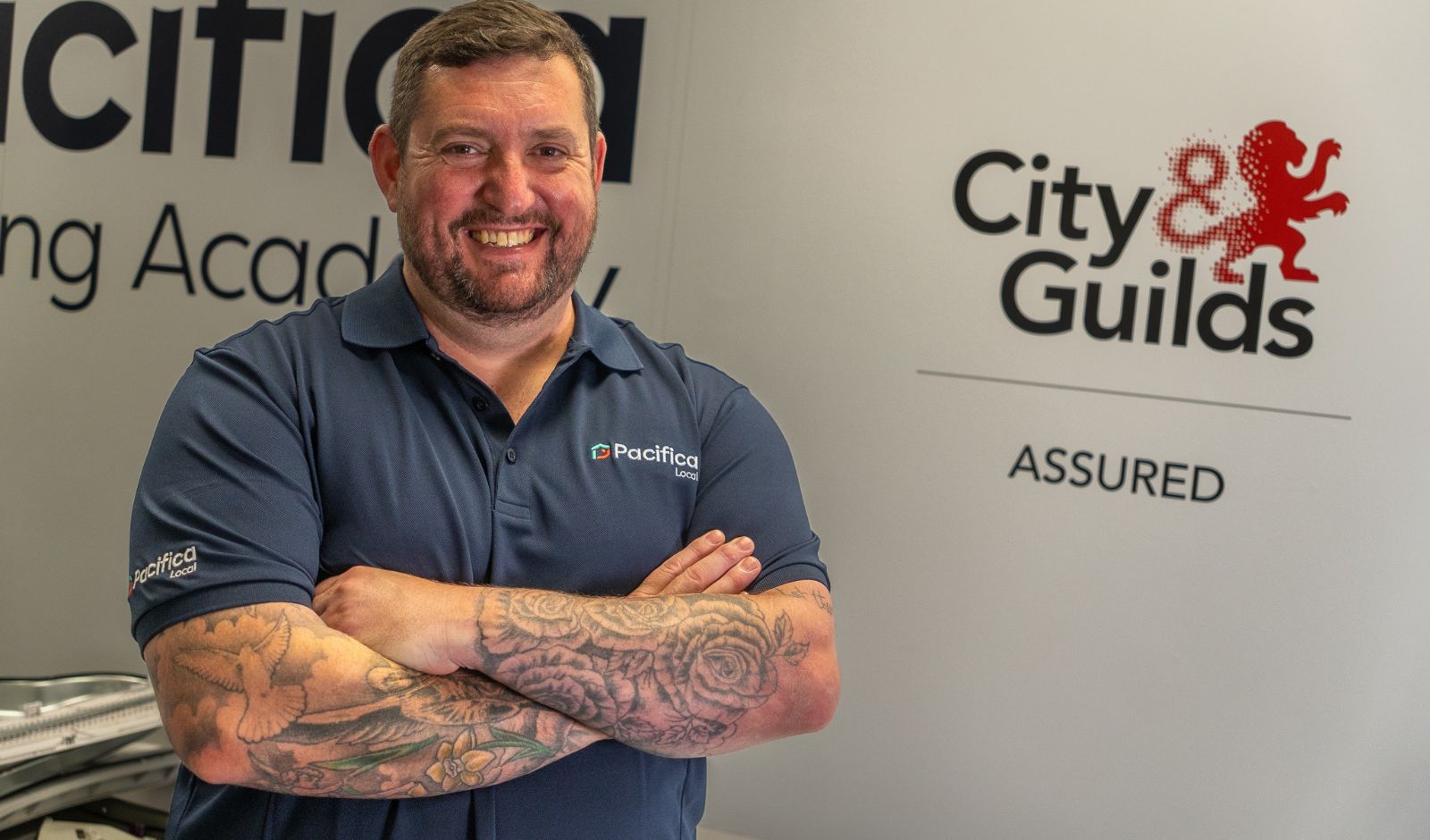
Pacifica Local’s network includes franchise partners in Sutton, Staines and Cardiff who entered business ownership without having previously run their own companies. Their experiences demonstrate how people can use the knowledge gained in earlier careers as a foundation for entrepreneurship.
Rhys Pring, franchise partner at Pacifica Local Cardiff, explains: “I’d spent years in technical and customer-facing roles, but I wanted to build something of my own where I could really use my problem-solving skills. Pacifica Local gave me the structure, training, and operational support to do that, so I can focus on the hands-on work I genuinely enjoy.”
His experience highlights an important aspect of franchising: becoming a business owner does not necessarily mean starting with an entirely new skill set. It can mean taking existing professional strengths and applying them in a different commercial environment.
Business Ownership with the Right Support
The transition from employment to entrepreneurship is a significant commitment, and franchising does not eliminate the risks associated with running a business. Franchisees remain responsible for managing their operations, developing customer relationships and building a sustainable local business.
However, for people who want greater independence but are unsure about starting entirely on their own, franchising can offer a middle ground between employment and independent entrepreneurship.
As Pacifica Local’s experience demonstrates, business ownership is not limited to people who have previously managed companies or built businesses from scratch. With the right franchise model, relevant skills and willingness to take responsibility, the move from employee to entrepreneur can become a more realistic ambition.